


CRM Is Easy. Revenue Is Hard.
Most companies don’t fail with Salesforce because of technology.
They fail because Salesforce is treated as a tool, not a system.
Salesforce can either be:
A glorified contact database
Or a revenue engine aligning sales, marketing, service, and leadership
The difference lies entirely in how it’s implemented.
Why Most Salesforce Implementations Underperform
Here’s the uncomfortable truth:
Buying Salesforce doesn’t improve performance.
Designing Salesforce around your business does.
Common challenges include:
Sales reps updating CRM after deals close
Dashboards that look impressive but answer nothing
Custom fields added without governance
Integrations that break reporting trust
INTERESTING FACT
Over 70% of CRM users don’t fully trust the data inside their CRM – causing adoption to decline over time.
Salesforce as a System (Not a Tool)
A high-performing Salesforce implementation excels in three areas:
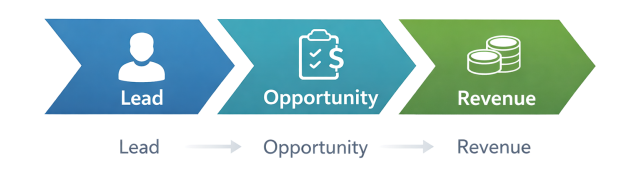
1. Aligns With the Sales Motion
Whether you operate as:
B2B enterprise
High-velocity SaaS
Project-based consulting
Your Salesforce workflows must reflect how deals actually move, not how internal org charts are designed.
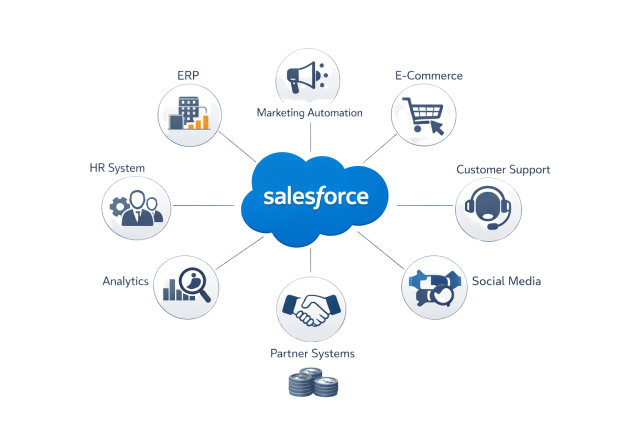
2. Connects the Revenue Stack
Salesforce delivers maximum value when integrated with:
Marketing automation platforms
Finance and invoicing systems
Customer support tools
Enterprise data platforms
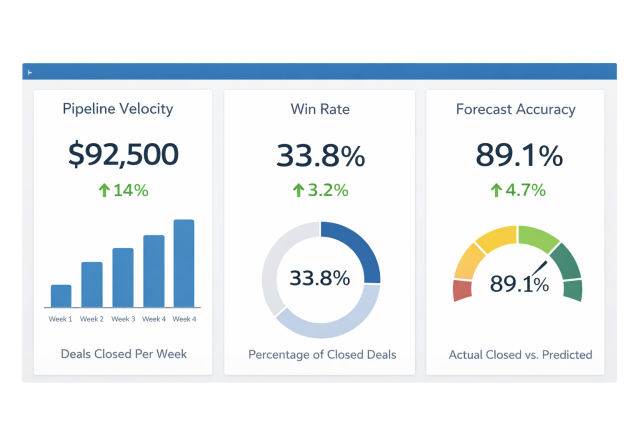
3. Makes Data Actionable, Not Decorative
Dashboards should clearly answer:
Where are deals slowing down?
Why are we losing at a specific stage?
Which activities actually drive revenue?
What a Strong Salesforce Implementation Enables
When implemented correctly, Salesforce delivers:
Faster deal cycles
Higher sales rep productivity
Accurate forecasting
Leadership confidence in data
It stops being a reporting burden and becomes a decision engine.
Closing Thought
Salesforce doesn’t fail companies.
Poor design does.
When Salesforce is built around your revenue model, it scales with you instead of slowing you down.